
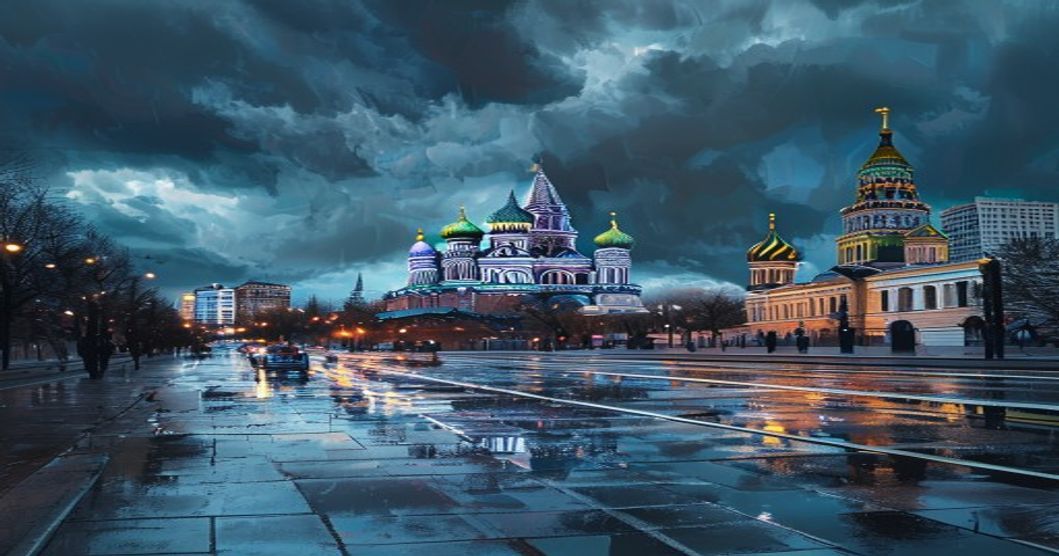
The global spotlight remains firmly fixed on Russia as recent developments continue to reshape its domestic landscape and international standing. From ongoing complexities in Eastern Europe to pivotal economic recalibrations and evolving diplomatic strategies, Moscow navigates a period of intense transformation. This week’s top stories offer crucial insights into Russia’s immediate future and long-term ambitions.
Escalation and Diplomacy: The Ukraine Frontline
The situation in Ukraine continues to dominate headlines, with reports suggesting renewed intensity along several key frontlines. Military analysts closely monitor tactical shifts and resource deployment by both sides, particularly in eastern and southern regions. Humanitarian concerns remain paramount, with international organizations reiterating calls for increased civilian protection. While public progress is limited, diplomatic channels reportedly remain active. Speculation mounts over potential new mediation efforts as global powers assess the long-term implications of sustained conflict.
- Intensified fighting reported in strategic zones.
- Focus on humanitarian aid and civilian protection.
- Ongoing, discreet diplomatic engagements.
Economic Resilience Amidst Sanctions: A New Financial Order?
Russia’s economy demonstrates resilience against extensive international sanctions. Recent data indicates that while some sectors face headwinds, the overall framework has adapted through strategic reorientation. The ruble maintains stability, often attributed to stringent capital controls and increased export revenues from energy and raw materials. Moscow has intensified efforts to foster new trade partnerships, particularly with nations in Asia, Africa, and Latin America. This pivot aims to reduce reliance on Western markets and establish alternative supply chains, contributing to a new global economic architecture.
Key Economic Trends:
- Ruble stability maintained via capital controls.
- Diversification of trade routes and partners.
- Emphasis on import substitution.
Shifting Alliances: Russia’s Evolving Diplomatic Footprint
In international relations, Russia actively recalibrates its diplomatic footprint, strengthening ties with non-Western blocs. Recent high-level meetings with leaders from China, India, and various African nations underscore this strategic pivot. Discussions center on enhancing economic cooperation, bolstering security partnerships, and coordinating stances on global governance. Analysts suggest Russia aims to solidify a multipolar world order, challenging Western hegemony. These engagements involve concrete agreements on infrastructure, energy supplies, and military technical cooperation, signaling a deliberate effort to forge new spheres of influence.
Diplomatic Highlights:
- Strengthening ties with BRICS nations and emerging economies.
- Focus on energy and raw material trade.
- Collaboration on global security frameworks.
Domestic Policy & Societal Dynamics
Domestically, the Kremlin has enacted legislative initiatives consolidating national unity and addressing social welfare. Recent policy announcements covered measures to support families, enhance social benefits, and stimulate regional economic development. Public discourse, while externally focused, also reflects discussions about internal reforms and national priorities. There’s clear emphasis on fostering patriotism and self-reliance, with cultural and educational programs shaping public opinion. These internal policies ensure stability amidst dynamic external pressures.
As these developments unfold, Russia remains a central figure in global geopolitics, with its actions holding significant weight for international stability and economic shifts. The coming weeks are expected to bring further clarity on the longevity and impact of these strategic decisions.


