
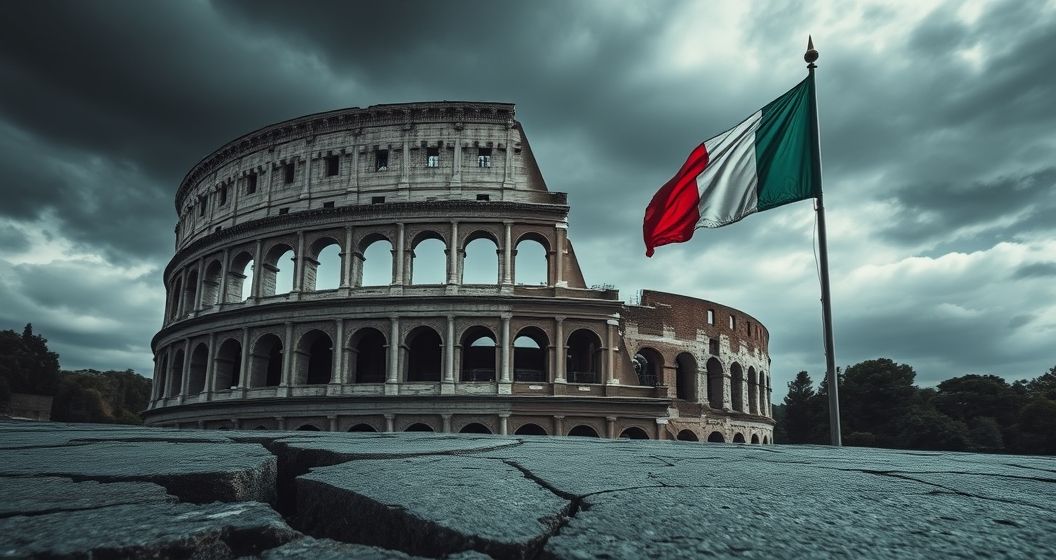
Italy’s political atmosphere is currently charged with tension as the government pushes forward with controversial constitutional reforms. The proposals, centered on differentiated autonomy for regions and the direct election of the prime minister, have ignited fierce debate in parliament and sparked significant opposition across the country. These legislative battles are shaping the nation’s immediate future, raising questions about national unity and the balance of power within the state.
Constitutional Reforms at the Forefront
The core of the political conflict lies in two major reform bills championed by the ruling coalition. These proposals aim to fundamentally reshape Italy’s governance structure, but critics argue they could have profound and potentially damaging consequences. The parliamentary process has been marked by heated exchanges and procedural clashes, reflecting the deep divisions these reforms have created among political parties and the public.
The Differentiated Autonomy Debate
One of the most contentious pieces of legislation is the “differentiated autonomy” bill. This law would grant individual regions greater power over how they manage 23 different public service areas, including healthcare, education, and infrastructure. Proponents argue it will lead to more efficient and tailored governance. However, opponents fear it will exacerbate the historic economic divide between the wealthy northern regions and the less developed south, creating a “two-speed” Italy and undermining national solidarity.
The Premiership Election Proposal
Simultaneously, the government is advancing a bill to introduce the direct election of the prime minister, a reform known as the “premierato.” This change is intended to provide greater political stability in a country known for its frequent changes in government. Critics, however, warn that it could weaken the role of the Parliament and the President of the Republic, concentrating excessive power in the hands of a single leader and altering the fundamental checks and balances of the Italian system.
Economic Concerns and Public Reaction
The political friction is unfolding against a backdrop of persistent economic challenges. Concerns over public debt, inflation, and the implementation of the National Recovery and Resilience Plan (PNRR) continue to weigh on the public consciousness. Many believe that the government’s focus on divisive constitutional reforms is a distraction from addressing more urgent economic and social issues that directly impact citizens’ daily lives.
The response from opposition parties and civil society has been strong and organized. Street protests and demonstrations have taken place in major cities, with citizens voicing their disapproval of the proposed changes. Opposition leaders have pledged to fight the reforms at every legislative stage, promising a battle that could extend from parliamentary chambers to a potential public referendum, ensuring that this political struggle remains a central theme in Italian public life for the foreseeable future.


