
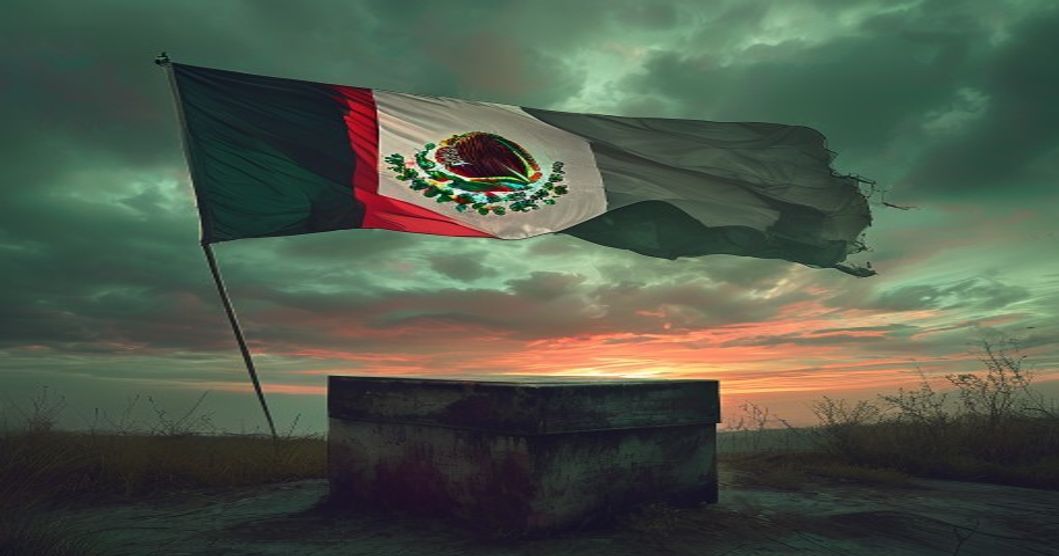
As Mexico gears up for its most pivotal election in modern history, the nation is gripped by anticipation and a palpable sense of both hope and trepidation. With the general elections scheduled for June 2nd, the race to the presidency has been intense, marked by groundbreaking potential and significant challenges. Voters are set to choose not only their next president but also thousands of federal and local positions, shaping the country’s trajectory for years to come.
The Historic Race for the Presidency
The spotlight is firmly on two formidable female candidates, making this election potentially historic as Mexico could elect its first female president. Claudia Sheinbaum, representing the ruling MORENA party and a protégée of current President Andrés Manuel López Obrador, has consistently led in the polls. Her campaign has largely focused on continuing the current administration’s social programs and consolidating its “Fourth Transformation” agenda.
Challenging her is Xóchitl Gálvez, the candidate for the broad opposition coalition comprising the PAN, PRI, and PRD parties. Gálvez, known for her indigenous roots and entrepreneurial background, has positioned herself as an alternative, vowing to tackle insecurity more aggressively and restore institutional strength. While trailing Sheinbaum, her campaign has intensified in recent weeks, seeking to rally opposition votes.
Rounding out the presidential hopefuls is Jorge Álvarez Máynez of the Citizens’ Movement (Movimiento Ciudadano). Though a distant third, Máynez’s campaign has gained some traction, particularly among younger voters, and his performance in debates has offered a distinct voice in the political landscape. The key issues dominating the electoral discourse include:
- Security: The pervasive challenge of organized crime and violence.
- Economy: Inflation, job creation, and the future of key sectors.
- Social Programs: The continuation or reform of welfare initiatives.
- Corruption: A perennial concern for Mexican voters.
A Campaign Marred by Violence
One of the most alarming aspects of this election cycle has been the unprecedented level of violence targeting political candidates and officials. Tragically, numerous local candidates have been murdered, casting a dark shadow over the democratic process. This surge in political assassinations underscores the deep-seated security issues that the incoming administration will inherit and highlights the significant influence of organized crime in various regions of the country. The violence not only instills fear but also threatens to undermine the integrity of the elections, raising questions about voter safety and the ability of candidates to campaign freely.
Economic Crossroads Ahead
Mexico’s economy has shown resilience, with the peso maintaining relative strength against the dollar. However, the future economic direction post-election is a major concern for investors and ordinary citizens alike. The next president will face the challenge of balancing fiscal responsibility with social spending, attracting foreign investment, and navigating complex trade relations, particularly with the United States. While Sheinbaum’s continuity agenda might offer some predictability, Gálvez’s proposals could signal a significant shift, impacting market sentiment and long-term economic stability.
What’s Next for Mexico?
The June 2nd election is not just about electing a leader; it’s about defining Mexico’s path forward amidst a complex geopolitical landscape and pressing domestic issues. The new president will face immense pressure to address the intertwined challenges of security, economic development, and social justice. As the nation holds its breath, the outcome will undoubtedly shape the lives of millions and set the tone for a crucial chapter in Mexican history. The world watches keenly to see who will lead this vibrant and resilient nation into its future.


