
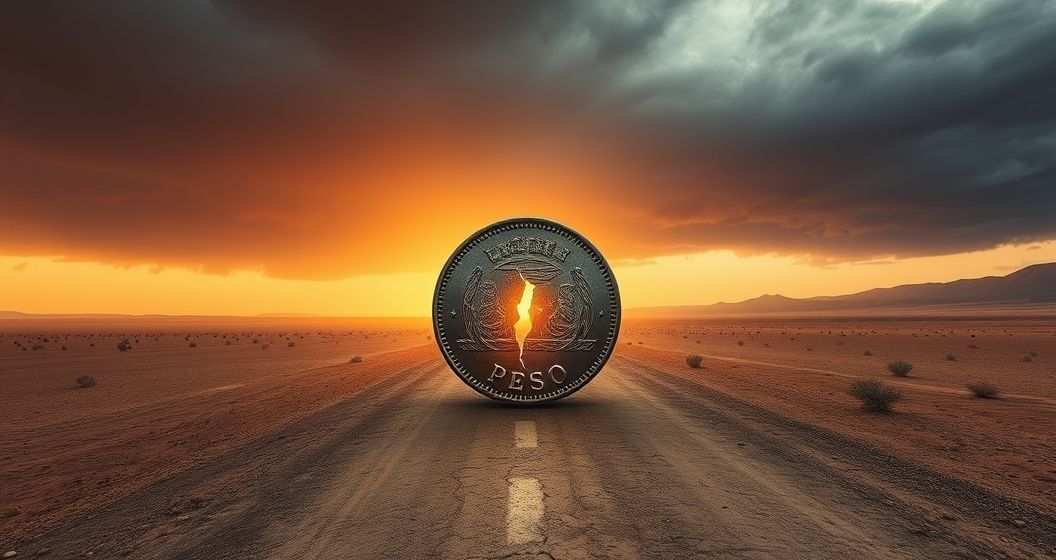
Mexico is currently navigating a complex period marked by a pivotal upcoming presidential election and significant economic shifts. The nation is closely watching the political transition while grappling with the fluctuating value of its currency and persistent security challenges. These interconnected issues are shaping the country’s immediate future and its relationship with international partners, demanding close attention from both citizens and observers.
A Pivotal Political Shift on the Horizon
The political landscape is dominated by the race to succeed the current administration. The contest has largely centered on two main candidates: Claudia Sheinbaum, representing the ruling party and a continuation of current policies, and Xóchitl Gálvez, leading a broad opposition coalition. This election is seen as historic, not only for the potential of the country to elect its first female president but also for the distinct visions each candidate offers for Mexico’s future.
Campaign debates have focused intensely on key national issues. The future of popular social programs, strategies for economic growth, and approaches to public security are at the forefront of the discussion. Voters are carefully weighing the promises of continuity against calls for significant change in governance. The outcome is expected to set the nation’s political and social trajectory for years to come, influencing everything from domestic policy to foreign relations.
The “Super Peso” and Economic Realities
On the economic front, the Mexican peso has demonstrated remarkable strength against the US dollar, a phenomenon often dubbed the “super peso.” This strength is attributed to several factors, including high interest rates set by the Bank of Mexico, a surge in remittances from abroad, and growing interest from foreign investors. The trend of “nearshoring,” where companies relocate their manufacturing operations closer to the North American market, has also bolstered confidence in the Mexican economy.
However, this economic picture is not without its challenges. While the strong peso benefits importers and those traveling abroad, it can create difficulties for exporters and the tourism sector. Furthermore, domestic inflation remains a primary concern for many households, as rising prices for everyday goods continue to strain family budgets. The central bank faces the delicate task of managing monetary policy to control inflation without stifling economic growth.
Navigating Persistent Security Concerns
Security remains one of the most pressing issues facing the country. The government’s strategy has focused on addressing the root causes of crime while also conducting operations against organized criminal groups. Despite these efforts, several regions continue to experience high levels of violence, which impacts local communities and poses a challenge to both public safety and economic development. The effectiveness of current and proposed security strategies is a major topic of public and political debate.
The security situation has wide-ranging implications, affecting everything from business investment confidence to the daily lives of citizens. Authorities are working to enhance law enforcement capabilities and improve coordination between different levels of government. Finding a sustainable solution to these deep-rooted security challenges is considered essential for unlocking the nation’s full potential and ensuring long-term stability.
As Mexico approaches this defining moment, its path forward will be determined by how its new leadership addresses these intertwined economic, political, and security issues. The decisions made in the coming months are set to have a lasting impact on the nation’s stability and prosperity.
