
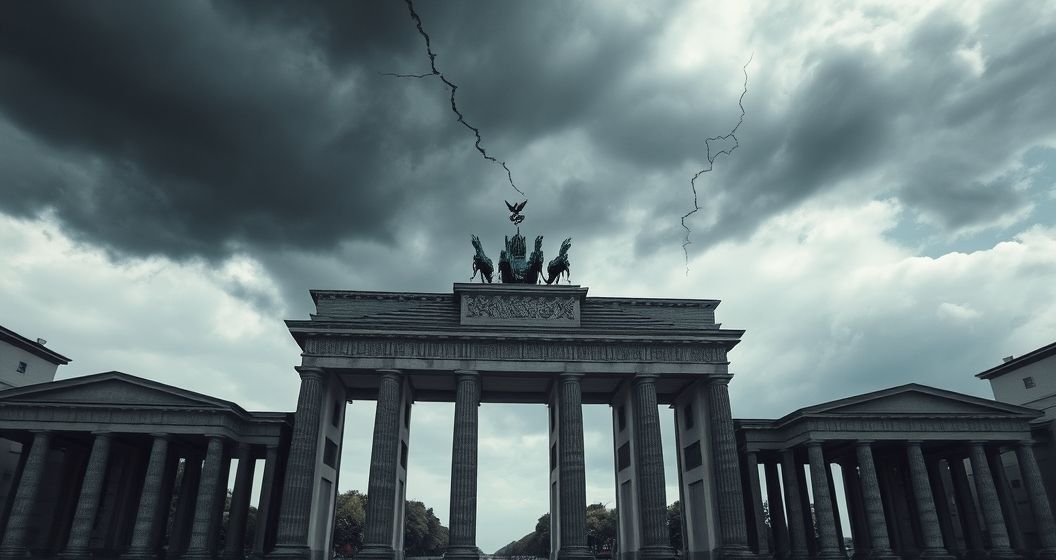
Germany is facing a severe budget crisis, compelling the coalition government to implement substantial spending cuts across various sectors. The financial turmoil was triggered by a landmark constitutional court ruling that invalidated the government’s plan to repurpose €60 billion in unused pandemic emergency funds. This decision has blown a significant hole in the federal budget, forcing a difficult and politically charged reallocation of resources and creating uncertainty for the nation’s economic and environmental agenda.
The Constitutional Court’s Pivotal Ruling
The crisis originated from a legal challenge to the government’s off-budget financing strategy. The coalition, led by Chancellor Olaf Scholz, intended to transfer funds originally designated for combating the COVID-19 pandemic into its Climate and Transformation Fund (KTF). This fund is crucial for financing Germany’s transition to a green economy. However, Germany’s highest court ruled this maneuver unconstitutional, stating that emergency debt could not be repurposed for other policy goals in subsequent years. This decision immediately plunged the government’s financial planning into chaos.
Key Sectors Facing Significant Cuts
The budgetary shortfall requires deep and painful cuts, affecting some of the government’s most important policy areas. The primary target has been the very fund at the center of the court’s ruling, leading to a major re-evaluation of environmental and industrial projects. The consequences are being felt across the economy, from large-scale green initiatives to support for individual households and businesses.
Impact on Climate and Energy Projects
The Climate and Transformation Fund has been hit the hardest. Several key subsidy programs have been abruptly ended or scaled back. This includes popular incentives for purchasing electric vehicles and financial support for homeowners undertaking energy-efficient renovations. The cuts jeopardize Germany’s ambitious climate targets and slow the momentum of its green transition, creating uncertainty for industries that had banked on long-term government support for clean technology and renewable energy infrastructure.
Agriculture and Social Spending Under Pressure
To further close the budget gap, the government has also targeted subsidies in other areas. A plan to phase out tax breaks on agricultural diesel has sparked widespread protests from farmers across the country, who argue the move threatens their livelihoods. While some social spending has been protected, the overall fiscal tightening limits the government’s ability to introduce new support measures or expand existing ones, putting pressure on social welfare programs at a time of economic uncertainty.
Political Tensions Within the Coalition
The budget crisis has exposed and exacerbated deep ideological divides within the three-party coalition government. The fiscally conservative Free Democrats (FDP) have insisted on adhering to Germany’s strict debt brake and avoiding tax increases. In contrast, the Social Democrats (SPD) and the Greens have pushed to protect social spending and climate investments. The resulting negotiations have been fraught with tension, testing the stability of the alliance and raising questions about its ability to govern effectively through these economic challenges.


