
Germany, a powerhouse at the heart of Europe, is currently grappling with a multifaceted array of challenges, from devastating natural disasters to critical political shifts and persistent economic pressures. The nation finds itself at a pivotal moment, navigating a complex landscape that demands urgent attention and resilient responses from its leadership and citizens alike.
Devastation Strikes Southern Germany: An Unprecedented Flood Crisis
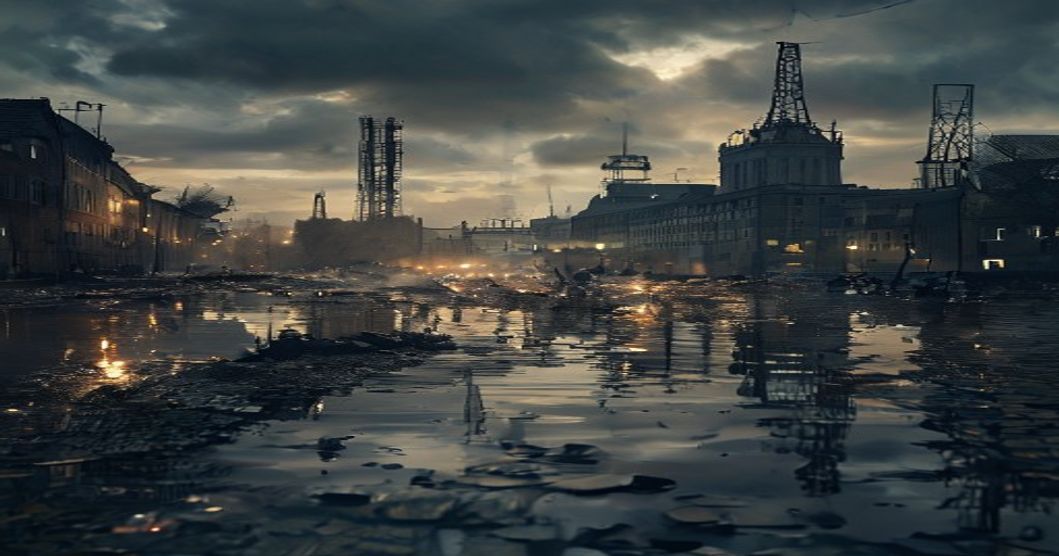
Southern Germany is reeling from catastrophic floods following relentless heavy rainfall, primarily impacting the states of Bavaria and Baden-Württemberg. The situation has escalated rapidly, leading to widespread chaos and heartbreaking losses. Several fatalities have been reported, including a firefighter who tragically died during a rescue operation, underscoring the extreme dangers faced by emergency services.
- Mass Evacuations: Thousands of residents have been forced to evacuate their homes, with entire villages submerged under water, particularly in districts like Augsburg, Günzburg, and Pfaffenhofen an der Ilm.
- Infrastructure Damage: Roads, bridges, and railway lines have been extensively damaged or rendered impassable, severely disrupting transportation and logistics across the affected regions.
- Political Response: Chancellor Olaf Scholz visited the flood zones, pledging significant federal aid for recovery efforts. Discussions are intensifying around climate change adaptation strategies and the need for improved flood protection infrastructure to mitigate future disasters. The human cost and the vast economic toll are still being assessed, but preliminary estimates point to billions in damages.
EU Elections Loom: Germany’s Political Landscape in Flux
With the European Parliament elections just around the corner, Germany’s political arena is buzzing with activity. These elections are crucial not only for the future direction of the European Union but also for the domestic political stability of Germany’s ruling “traffic light” coalition. Current polling suggests a tightening race and potential shifts in power dynamics:
- Key Contenders: The conservative CDU/CSU alliance is currently leading in polls, while the Greens and the FDP (Free Democratic Party) are facing headwinds. The far-right AfD (Alternative for Germany) continues to poll strongly in certain regions, reflecting ongoing debates about immigration and economic policy.
- Core Issues: Campaigns are heavily focused on topics such as climate protection, migration policies, European defense, and economic competitiveness. Voters are weighing in on Germany’s role within the EU, the future of the Green Deal, and how to address global challenges effectively.
- Coalition Tensions: The election results could further strain the already fragile relationship within the SPD, Green, and FDP coalition, potentially influencing national policy decisions and future electoral strategies.
Economic Jitters & Budgetary Tightrope Walk
Germany’s economy, Europe’s largest, continues to navigate a complex environment marked by lingering inflation, high energy costs, and global geopolitical uncertainties. The upcoming federal budget for 2025 is a point of intense contention and a litmus test for the ruling coalition’s ability to compromise and lead:
- Debt Brake Debate: The constitutional “debt brake” remains a central point of disagreement, with Finance Minister Christian Lindner (FDP) insisting on strict adherence, while other ministries call for more spending on crucial investments like defense, digitalization, and climate transition.
- Industrial Concerns: German industry, particularly energy-intensive sectors, faces significant challenges from international competition and high operating costs. Debates about subsidies, industrial policy, and securing future competitiveness are paramount.
- Growth Outlook: Economic forecasts suggest a modest recovery, but vulnerabilities remain, with experts highlighting the need for structural reforms to boost long-term growth and address labor shortages.
From the immediate crisis in its southern regions to the strategic political decisions at the European level and the ongoing fight for economic stability, Germany is undoubtedly a nation in motion. The coming months will be critical in determining its trajectory and resilience in the face of these formidable challenges.


