
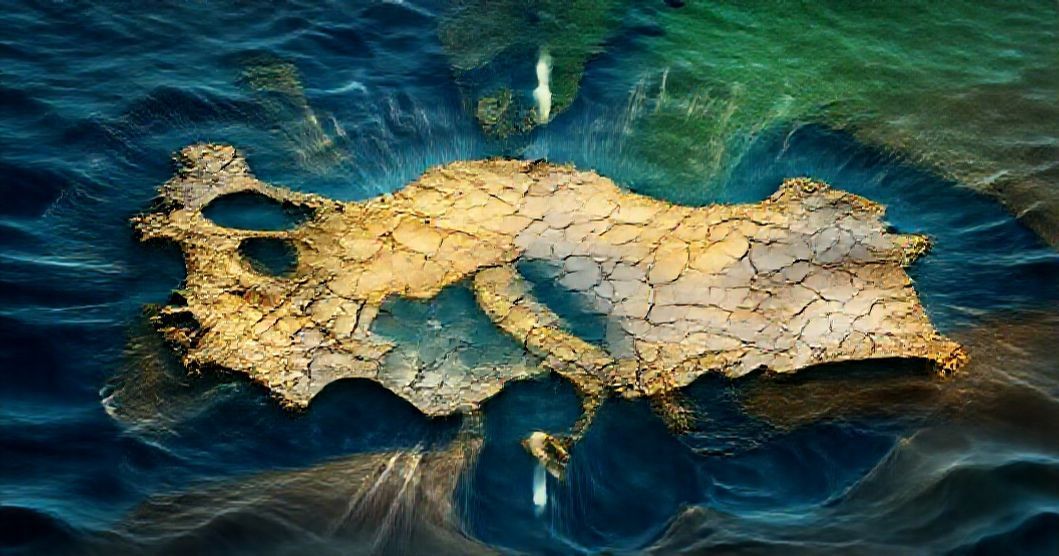
Turkey is currently navigating a complex and dynamic period, marked by significant developments across its economic, political, and foreign policy landscapes. From a tenacious battle against soaring inflation to a reconfigured domestic political map following recent local elections, and an active role in regional diplomacy, the nation is experiencing a confluence of challenges and strategic shifts. Understanding these interconnected threads is crucial to grasping the contemporary pulse of this pivotal Eurasian country.
The Relentless Fight Against Inflation
The Turkish economy remains firmly in the spotlight, with the government and the Central Bank intensifying their efforts to curb persistent, high inflation. After months of aggressive interest rate hikes, the Central Bank has signaled a period of stability, suggesting that the current monetary policy is sufficient to achieve disinflation. However, the impact of these measures on daily life is keenly felt by citizens, who continue to grapple with rising costs of living.
- Interest Rate Decisions: The Central Bank’s policy committee has maintained the benchmark rate, emphasizing that the current level is aimed at establishing disinflation.
- Government’s Medium-Term Program: Ankara’s economic team is committed to a multi-pronged strategy involving fiscal discipline, structural reforms, and a focus on attracting foreign investment to bolster the economy and stabilize the Turkish Lira.
- Public Sentiment: Despite official optimism, the public remains sensitive to economic indicators, with wage negotiations and price adjustments being central to household budgeting. Consumer confidence is a critical factor in the success of these economic policies.
Post-Election Political Landscape: A New Chapter?
The recent local elections in Turkey delivered a significant shake-up, particularly for the ruling Justice and Development Party (AKP) and the main opposition Republican People’s Party (CHP). The CHP’s unexpected strength, winning major metropolitan areas and expanding its reach, has ignited discussions about the future of Turkish politics.
Opposition’s Resurgence and Ruling Party’s Strategy
The election results have led to introspection within the AKP, prompting discussions on internal reforms and a re-evaluation of strategies ahead of the next national elections in 2028. Meanwhile, the CHP is tasked with consolidating its gains and demonstrating effective local governance.
Strong leadership figures within the opposition, such as Istanbul Mayor Ekrem İmamoğlu and Ankara Mayor Mansur Yavaş, have emerged with renewed mandates, positioning them as potential contenders for national office. This shift underscores a dynamic evolution in the country’s democratic fabric, creating a more pluralistic political environment.
Turkey’s Active Diplomatic Stance on Global Issues
On the international front, Turkey continues to play a prominent and often assertive role. Its foreign policy is characterized by a multi-vector approach, balancing relations with Western allies, regional powers, and emerging global players.
One of the most pressing issues engaging Turkish diplomacy is the ongoing conflict in Gaza. Turkey has been a vocal critic of Israeli actions, advocating for a permanent ceasefire and increased humanitarian aid to Palestinians. President Erdoğan has consistently highlighted the plight of Gaza, calling for international accountability and a two-state solution.
Beyond the Middle East, Turkey’s relations with the European Union and the United States remain crucial. Discussions often revolve around security cooperation, trade agreements, and regional stability. Ankara also maintains active engagement in the Black Sea region, Central Asia, and Africa, pursuing economic and strategic partnerships.
The current period in Turkey is thus a fascinating interplay of domestic pressures and international positioning. The outcomes of the economic stabilization program, the evolving political dynamics, and Turkey’s diplomatic efforts will undoubtedly shape its trajectory in the coming years, with profound implications both regionally and globally.


