
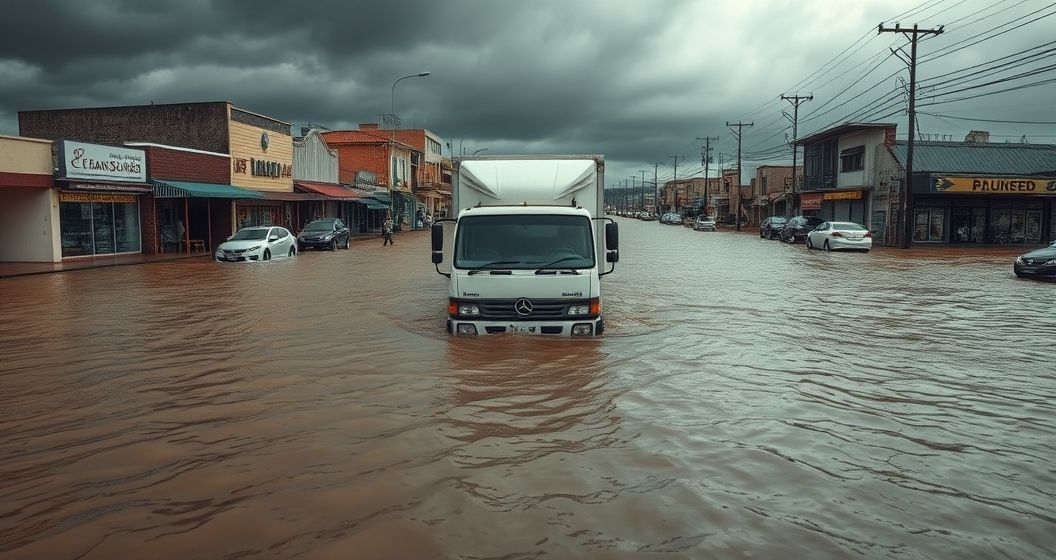
Brazil is currently grappling with the severe aftermath of unprecedented flooding in its southern state of Rio Grande do Sul, a disaster that has triggered a significant humanitarian crisis and raised serious concerns about the nation’s economic stability. The government has mobilized resources to address the immediate needs of the affected population while confronting the long-term financial and logistical challenges posed by the destruction of critical infrastructure and agricultural land.
The Scale of the Rio Grande do Sul Disaster
The floods have left a trail of devastation, impacting millions of residents and disrupting essential services across the state. Emergency response teams continue to work in challenging conditions to rescue stranded individuals and provide shelter, food, and medical aid. The destruction of homes, businesses, roads, and bridges has created a complex humanitarian situation that requires a sustained and coordinated effort from both government agencies and civil society organizations. The focus remains on ensuring the safety and well-being of the displaced population.
Economic Ripple Effects Across the Nation
The economic consequences of the floods are being felt far beyond the borders of Rio Grande do Sul. As a vital agricultural hub responsible for a significant portion of Brazil’s rice, soy, and meat production, the state’s paralysis threatens to disrupt national supply chains and fuel inflation. Analysts are closely watching for potential spikes in food prices, which could add pressure to household budgets and complicate the central bank’s efforts to manage the economy. The disaster’s impact on national GDP is now a primary concern for policymakers.
Government Announces Financial Support
In response to the crisis, the federal government has announced a series of financial aid packages aimed at supporting affected families and businesses. These measures include direct cash transfers, credit lines for small and medium-sized enterprises, and funding for rebuilding infrastructure. The economic team is working to balance the urgent need for disaster relief with the country’s existing fiscal constraints, ensuring that the aid provided is both effective and sustainable without jeopardizing long-term financial stability.
A National Conversation on Climate Policy
The catastrophic event in the south has intensified the national debate on climate change and disaster preparedness. Experts and political leaders are calling for a comprehensive review of Brazil’s environmental policies and infrastructure planning. The discussion now centers on the need for greater investment in early warning systems, sustainable urban development, and resilient infrastructure capable of withstanding extreme weather events. The tragedy is serving as a stark reminder of the urgent need to adapt to a changing climate.
As recovery efforts continue, Brazil faces a multifaceted challenge that combines immediate humanitarian aid with complex economic management and a critical reevaluation of its environmental strategy. The coming months will be crucial in determining the country’s ability to recover from the disaster while building a more resilient future for its citizens.


