
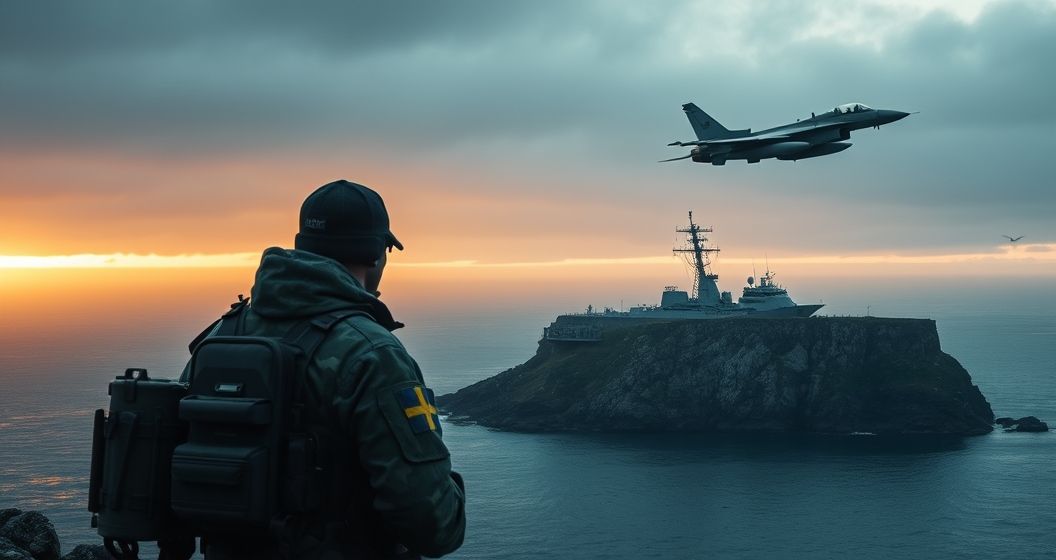
Sweden is undertaking a significant transformation of its national security strategy, rapidly enhancing its defence capabilities and deepening its integration within the NATO alliance. This strategic pivot marks a definitive end to its long-standing policy of military non-alignment, driven by a profoundly altered security environment in Europe. The nation is now focused on bolstering its armed forces and contributing to collective defence, reflecting a new era of strategic priorities for the Scandinavian country.
A Historic Shift in Security Policy
For centuries, Swedish foreign policy was defined by neutrality and military non-alignment. However, recent geopolitical shifts in the Baltic Sea region prompted a fundamental reassessment of this doctrine. The decision to seek NATO membership represents a historic recalibration, supported by a broad political consensus and strong public approval. This move is viewed not just as a policy change but as a necessary adaptation to ensure national sovereignty and contribute to regional stability alongside its neighbours and allies.
Increased Military Spending and Modernisation
A cornerstone of this new strategy is a substantial increase in military expenditure. The government is committed to meeting and exceeding NATO’s guideline of allocating at least 2% of GDP to defence. These funds are being channelled into critical areas, including the modernisation of the air force and navy, acquisition of advanced weapons systems, and strengthening cyber defence infrastructure to counter emerging threats. The focus is on creating a more resilient and technologically advanced military force capable of operating effectively in a modern conflict.
Integrating with NATO Allies
Full integration into NATO’s command and operational structures is a top priority for the Swedish Armed Forces. This involves more than just policy alignment; it requires practical collaboration through joint military exercises with allied nations. Sweden’s strategic geographical position in the Baltic Sea region makes its participation crucial for regional stability, enhancing the alliance’s ability to monitor and secure this vital area. Interoperability with allied forces is being prioritised to ensure seamless cooperation in any collective defence scenario.
Public Perception and Domestic Challenges
While there is broad political and public support for the new defence posture, the transition presents domestic challenges. Ensuring a steady recruitment of personnel, both professional and conscript, is a key focus for the armed forces. Furthermore, managing the economic implications of sustained high defence spending requires careful long-term planning to balance security needs with other public sector priorities, ensuring the new strategy remains sustainable. Public discourse continues to focus on the responsibilities that come with alliance membership.
Conclusion: A Long-Term Commitment
Sweden’s commitment to strengthening its military and embracing its role within NATO signifies a profound and lasting shift. This evolution is not merely a reaction to immediate events but a long-term investment in national and collective security. As the nation adapts to its new responsibilities, its enhanced defence posture is set to become a defining feature of its identity on the international stage, reinforcing its commitment to a secure and stable Europe.