
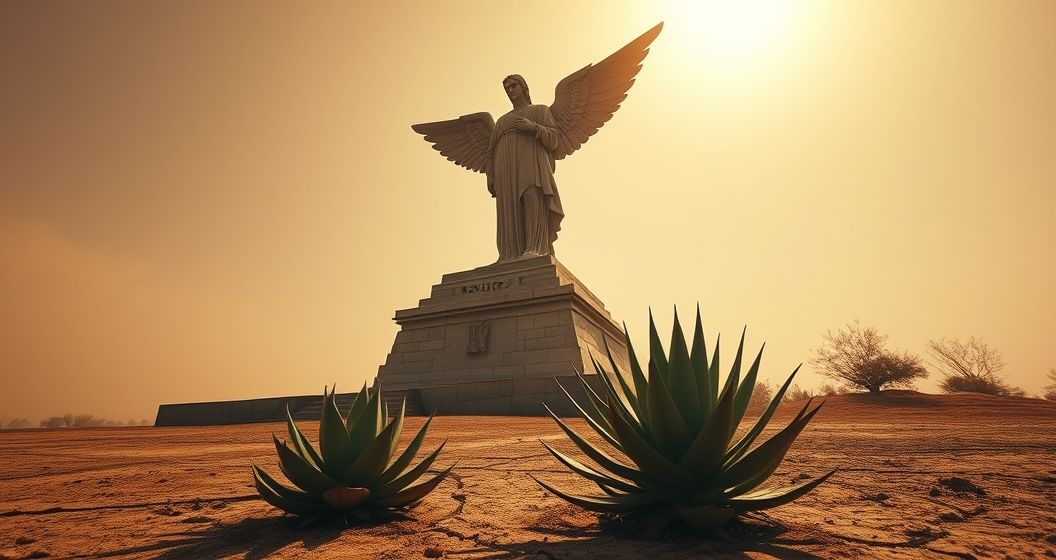
Mexico is currently navigating a period of significant political and economic uncertainty, driven by a proposed constitutional reform that has unsettled financial markets. Simultaneously, the nation is grappling with severe environmental challenges, including a record-breaking heatwave impacting public services and wildlife. These interconnected issues present a complex landscape for the country’s leadership and citizens, shaping the national discourse and future outlook.
Sweeping Judicial Reforms Spark National Debate
A central topic of discussion is the controversial judicial reform, part of the so-called “Plan C” initiative. This proposal, championed by the current administration and supported by the president-elect, seeks to overhaul the judiciary by allowing judges, magistrates, and Supreme Court justices to be elected by popular vote. Proponents argue this will increase accountability and dismantle corruption within the legal system, making it more responsive to the public.
However, the reform has drawn sharp criticism from opposition parties, legal experts, and business groups. Critics express deep concerns that the measure could erode judicial independence, politicize the courts, and undermine the separation of powers. The uncertainty surrounding its implementation has become a primary driver of market volatility, as investors weigh the potential impact on legal certainty and the rule of law in the country.
Market Jitters and Peso Volatility
The financial markets have reacted nervously to the prospect of the judicial overhaul. The Mexican peso has experienced significant depreciation against the US dollar since the election results confirmed a potential supermajority for the ruling party, which would facilitate the passage of such constitutional changes. This volatility reflects investor anxiety over the potential for radical policy shifts that could affect the business climate and institutional stability.
Environmental Crises Grip the Nation
While political debates unfold, Mexico is contending with an extreme and prolonged heatwave that has pushed infrastructure to its limits. Record-high temperatures have led to a surge in electricity demand, causing intermittent power outages in several regions. The strain on the national power grid highlights the urgent need for infrastructure modernization to cope with the escalating effects of climate change.
The environmental impact extends beyond infrastructure. The intense heat and drought have created a critical situation for wildlife, with distressing reports of howler monkeys dying from dehydration and heatstroke in the southeastern jungles. This ecological crisis serves as a stark reminder of the broader consequences of rising global temperatures, affecting biodiversity and natural habitats across the nation.
Navigating an Unpredictable Economic Outlook
The combination of political uncertainty and environmental pressures creates a challenging economic environment. The central bank and financial authorities are closely monitoring the situation, particularly the inflationary pressures that could arise from a weaker peso and supply chain disruptions. As the new administration prepares to take office, its ability to calm markets, address critical infrastructure needs, and ensure institutional stability will be crucial for Mexico’s path forward.