
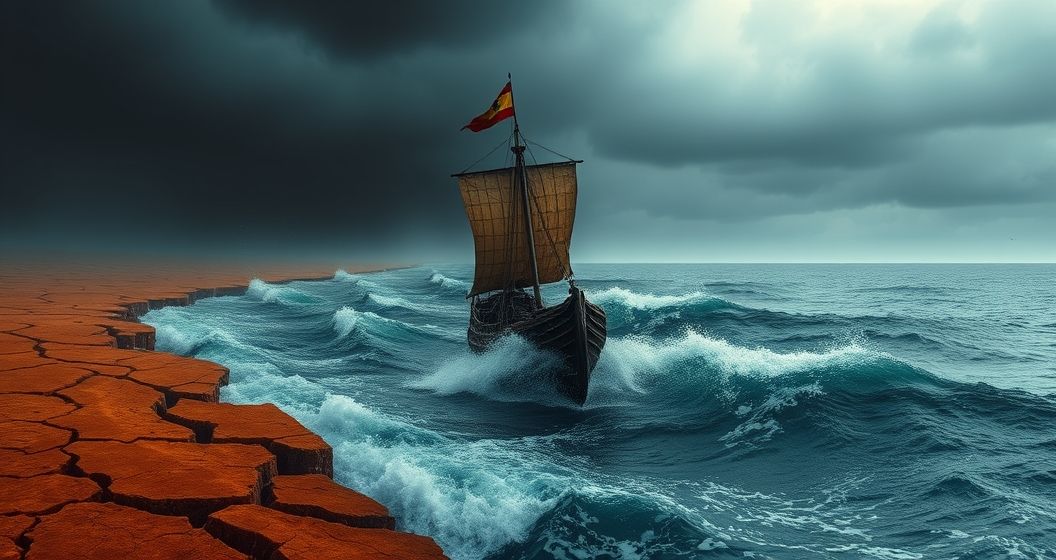
Spain is currently navigating a complex landscape marked by new government economic measures, a booming tourism sector, and persistent political debates. While the administration is rolling out initiatives to alleviate inflationary pressures on households, the nation also contends with significant environmental challenges and a tense political atmosphere. These factors combine to create a dynamic and evolving situation for the country’s immediate future.
Government Unveils New Economic Support Measures
In response to the rising cost of living, the Spanish government has introduced a new package of economic support aimed at assisting families and vulnerable individuals. These measures are designed to cushion the impact of inflation, which has affected everything from groceries to energy bills. The initiative focuses on providing direct aid and tax relief to those most in need, reflecting a proactive approach to managing economic stability.
The policies are intended to stimulate domestic consumption while ensuring a social safety net remains robust. Analysts are closely watching the effects of this intervention, assessing its potential to stabilise household finances without overheating the economy. The success of these measures will be a critical factor in the government’s approval ratings and the country’s overall economic trajectory in the coming months.
Tourism Sector Fuels Economic Optimism
Spain’s tourism industry is experiencing a remarkable rebound, serving as a powerful engine for economic growth. Recent data indicates a significant surge in international visitors, with arrival numbers and spending surpassing pre-pandemic levels in many regions. This revival is providing a much-needed boost to employment in the hospitality, transport, and retail sectors, contributing positively to the national GDP.
However, this success is not without its challenges. The massive influx of tourists has renewed discussions about sustainability and the risk of “overtourism” in popular destinations. Local authorities and industry leaders are now tasked with balancing economic benefits with the need to protect natural resources and ensure the quality of life for residents. Finding a sustainable model for tourism is becoming a key priority.
Political and Environmental Tensions Persist
Beneath the surface of economic activity, Spain’s political scene remains complex. Ongoing debates surrounding key legislation, including a proposed amnesty law, continue to create division and uncertainty. These political manoeuvres demand significant attention and resources, often influencing the broader policy-making environment and investor confidence.
Widespread Drought Poses a Long-Term Threat
Compounding these challenges are severe environmental concerns, most notably the prolonged drought affecting large parts of the country. Regions like Andalusia and Catalonia are facing critical water shortages, leading to restrictions that impact both agriculture and urban populations. This climate-related crisis poses a significant long-term threat to key sectors of the Spanish economy and highlights the urgent need for comprehensive water management strategies.
In conclusion, Spain stands at a crossroads. Its resilient tourism sector and decisive government action on inflation offer reasons for optimism. Yet, the nation must simultaneously address deep-seated political divisions and the escalating environmental crisis to secure sustainable and balanced growth for the future.