
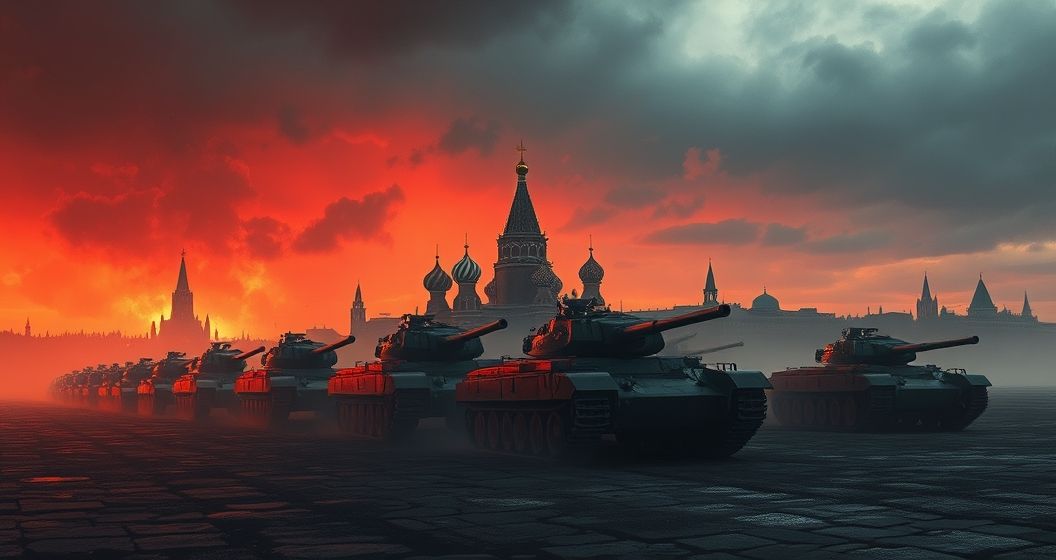
Recent developments indicate a significant escalation in Russia’s military strategy, coupled with intensified diplomatic maneuvers on the global stage. As Russian forces advance in key operational areas, the Kremlin is simultaneously working to fortify its international alliances, creating a complex and dynamic geopolitical landscape. These actions are unfolding against a backdrop of continued Western economic pressure and sanctions.
Major Push on the Eastern Front
Military reports highlight a concentrated effort by Russian forces to gain ground along the eastern front. The focus appears to be on securing strategic positions and disrupting enemy supply lines through a combination of heavy artillery, aerial bombardment, and ground assaults. This intensified campaign aims to create tactical advantages and apply sustained pressure, forcing a reallocation of defensive resources and potentially creating breakthroughs in heavily fortified areas.
The updated strategy involves the deployment of newly mobilized units and advanced weaponry, signaling a long-term commitment to achieving its stated military objectives. Analysts note that this operational tempo is significantly higher than in previous months, suggesting a new phase in the conflict. The primary goal is to consolidate control over key territories and establish a more defensible line before any potential negotiations.
Strengthening Strategic Alliances
On the diplomatic front, Moscow is actively strengthening its partnerships with non-Western nations. High-level talks and joint economic initiatives with key allies are being prioritized to counteract the impact of international sanctions. These discussions often revolve around creating alternative financial systems and trade routes that bypass traditional Western-controlled networks, thereby ensuring economic stability and continued cooperation on a global scale.
This diplomatic outreach is a core component of Russia’s broader foreign policy. By building a coalition of like-minded states, the Kremlin aims to demonstrate that it is not isolated and can continue to project influence. These alliances are not only economic but also include military and technological cooperation, creating a counterbalance to Western-led blocs and reshaping international power dynamics.
Domestic Economy and Security Measures
Internally, the Russian government is focusing on maintaining economic stability and bolstering domestic security. Efforts to stimulate local production and reduce reliance on imported goods continue to be a top priority. The state is investing heavily in key sectors like technology, agriculture, and manufacturing to achieve greater self-sufficiency. These measures are designed to mitigate the long-term effects of sanctions and ensure the economy can sustain the ongoing military effort.
Simultaneously, internal security protocols have been enhanced, with authorities closely monitoring critical infrastructure and public spaces. The government has emphasized the importance of national unity and resilience in the face of external pressures, using state media to reinforce its narrative and maintain public support for its policies both at home and abroad.


