
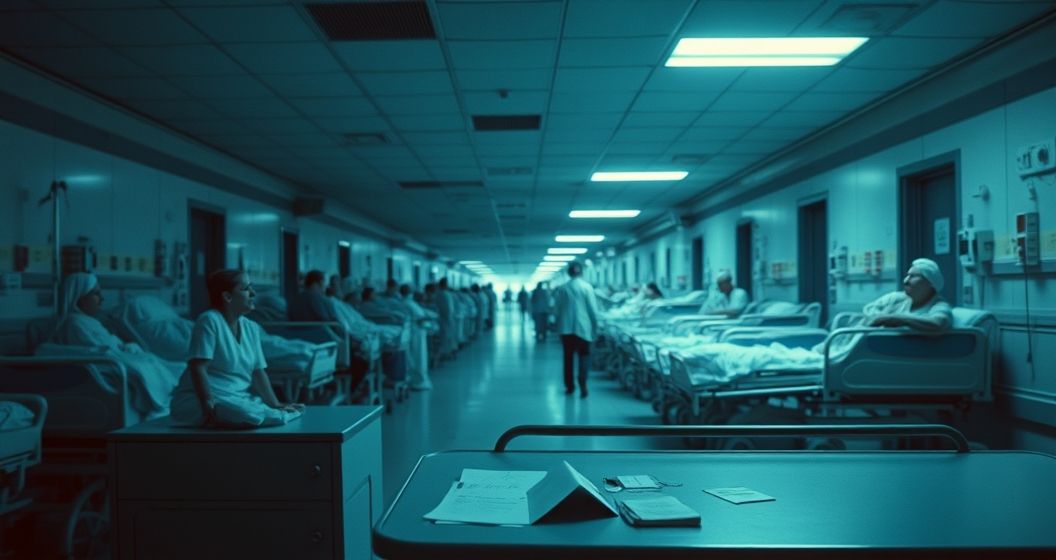
South Korea’s healthcare system is facing an unprecedented crisis as thousands of trainee and resident doctors have walked off the job. This mass resignation has led to widespread disruptions in medical services, including canceled surgeries and delayed treatments at major hospitals across the country. The collective action is a direct protest against a government plan to significantly increase medical school admission quotas, a move doctors argue will undermine the quality of healthcare.
The Core of the Dispute: Medical School Quotas
The dispute centers on a government proposal to increase the annual enrollment quota for medical schools by 2,000 students starting next year. Officials argue this measure is essential to address a chronic shortage of physicians, particularly in rural areas and essential fields like pediatrics and emergency medicine. The government points to South Korea’s rapidly aging population as a key factor driving the urgent need for more medical personnel to sustain the healthcare system in the long term.
Proponents of the plan believe that a larger pool of doctors will naturally lead to better distribution of medical professionals across the country. They claim that the current system is insufficient to meet future healthcare demands and that this expansion is a necessary step to ensure public access to medical care. The government has remained firm on its position, emphasizing that the decision is non-negotiable and vital for national health security.
Doctors’ Perspective and Widespread Protests
However, medical professionals, including the Korean Medical Association, strongly oppose the plan. They argue that simply increasing the number of doctors will not address fundamental issues such as low compensation for essential specialties and the concentration of doctors in urban areas. They contend that the government should first focus on improving working conditions and providing better incentives for doctors to practice in underserved regions and fields.
Doctors warn that a sudden, large-scale increase in medical students could compromise the quality of medical education and training. They believe this could ultimately lead to a decline in the overall quality of patient care. The current walkout, primarily involving junior doctors who are crucial for emergency and acute care, is intended to pressure the government to reconsider its policy and engage in meaningful dialogue with the medical community.
Impact on Patient Care
The immediate impact on patient care has been severe. Major hospitals have been forced to cancel or postpone non-essential surgeries and appointments to prioritize emergency cases. Reports indicate that emergency rooms are under immense strain, with some facilities turning away patients due to staff shortages. The government has raised its public health alert to the highest level, deploying military doctors and extending the operating hours of public medical institutions to mitigate the fallout.
Government’s Firm Stance and Potential Escalation
In response to the mass resignations, the government has taken a hardline stance. Officials have issued back-to-work orders to striking doctors, warning that defiance could result in legal action, including the suspension of medical licenses and potential imprisonment. This uncompromising approach has heightened tensions, creating a high-stakes standoff with no clear resolution in sight.
The standoff has left South Korea’s medical system in a vulnerable state. With neither the government nor the doctors showing signs of backing down, patients are caught in the middle of a deepening conflict. The future of the nation’s healthcare services hangs in the balance as the crisis continues to unfold, raising serious concerns about long-term stability and patient safety.


