
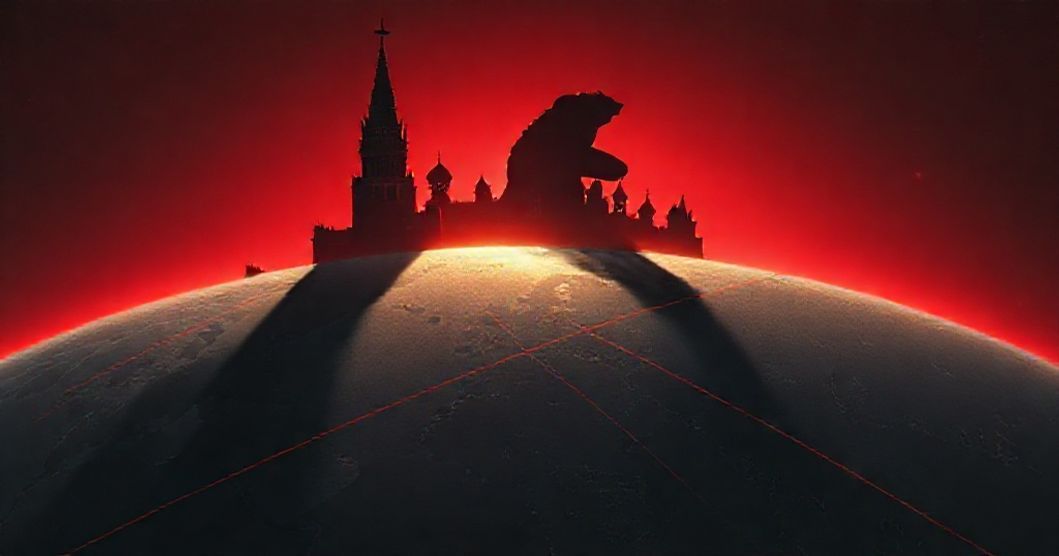
In a rapidly shifting global landscape, Russia continues to be a focal point of international attention, with dynamic developments across its domestic sphere, economic trajectory, and foreign policy. The Kremlin’s latest maneuvers are sending ripples through geopolitical currents, as the nation navigates complex challenges while asserting its strategic interests on the world stage. From intensified military actions to economic adaptations and diplomatic engagements, understanding Russia’s current pulse is more crucial than ever.
Frontline Dynamics and Diplomatic Impasse
The conflict in Ukraine remains the most prominent and deeply impactful story emanating from Russia. Recent reports indicate a significant escalation of hostilities, particularly around the Kharkiv region, where Russian forces have continued their advance, prompting a robust Ukrainian defense. This renewed intensity on the battlefield highlights the ongoing struggle for territorial control and strategic advantage, with both sides reporting heavy losses and gains in various sectors.
Simultaneously, diplomatic efforts to de-escalate the conflict appear to be at a standstill. While international summits and proposals from various nations aim to find a path to peace, Russia’s consistent stance on its objectives and conditions for negotiation has created a persistent impasse. The G7 summit, for instance, saw leaders discuss further support for Ukraine and sanctions against Russia, to which Moscow responded with firm condemnation, emphasizing its resolve to achieve its stated goals regardless of external pressure.
Economic Resilience Amidst Sanctions
Despite the comprehensive Western sanctions imposed over the past two years, the Russian economy has demonstrated a surprising degree of resilience and adaptation. Latest figures suggest that the nation has largely weathered the initial shock, with key sectors pivoting towards domestic production and new international markets, particularly in Asia and the Global South.
- Import Substitution: Extensive programs have been launched to replace Western goods and technologies, fostering growth in local manufacturing and agriculture.
- Energy Exports: While European markets have largely closed, Russia has successfully rerouted significant oil and gas exports to new partners, maintaining crucial revenue streams.
- Fiscal Measures: The Central Bank of Russia continues to implement strict monetary policies to stabilize the ruble and control inflation, though challenges persist.
However, analysts point to long-term structural issues and potential limitations on technological advancement as ongoing concerns. The focus remains on strengthening economic sovereignty and insulating the national economy from future external shocks.
Shifting Geopolitical Alliances and Global Stance
Russia’s foreign policy has been characterized by a determined effort to build and strengthen alliances outside the traditional Western bloc. President Putin’s recent engagements with leaders from China, Belarus, and various African and Middle Eastern nations underscore a clear strategy to foster a multipolar world order.
Key Diplomatic Moves:
Moscow has actively participated in and promoted organizations like BRICS and the Shanghai Cooperation Organization (SCO), seeking to create alternative frameworks for global governance and economic cooperation. The Kremlin views these partnerships as vital counterweights to Western dominance, advocating for a more balanced international system. Russia’s firm rejections of Western-led initiatives, such as the G7’s latest proposals regarding frozen Russian assets, further highlight its commitment to an independent foreign policy. These actions collectively paint a picture of a nation actively reshaping its global footprint and challenging established norms.

