
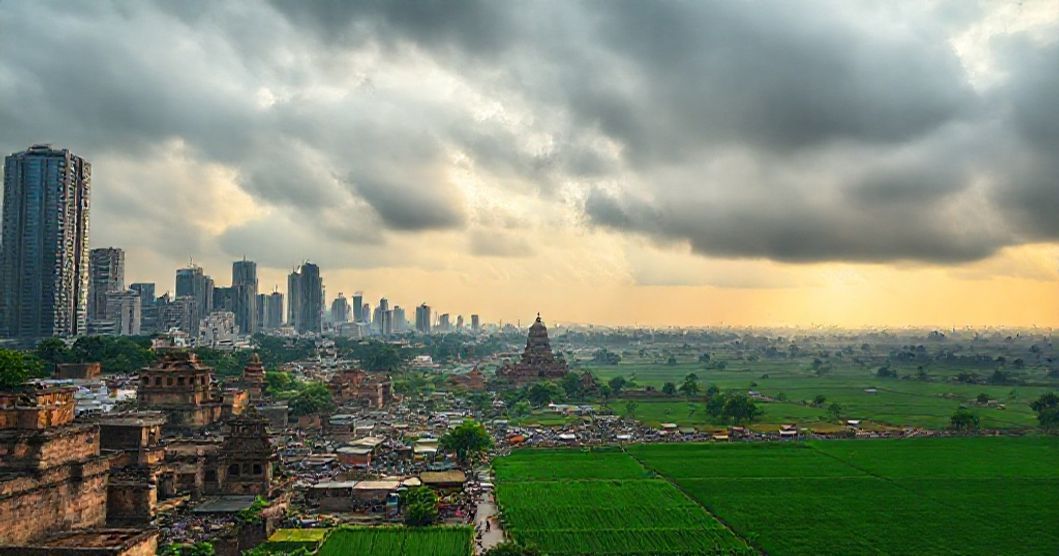
India is currently navigating a dynamic period, marked by significant political shifts, evolving economic landscapes, and pressing environmental challenges. As the nation steps into a new phase, key developments are shaping its future trajectory, capturing both national and international attention. From the intricacies of government formation to the resilience of its economy and the battle against extreme weather, these stories are at the forefront of India’s daily news cycle.
Modi 3.0 Takes Shape: Coalition Dynamics and Policy Focus
Following the recent general elections, Narendra Modi has been sworn in for an unprecedented third term as Prime Minister, leading a coalition government. This new era, dubbed Modi 3.0, comes with its unique set of challenges and opportunities, primarily influenced by the increased reliance on alliance partners. The formation of the new cabinet has seen a blend of continuity and fresh faces, with crucial portfolios being allocated to key allies and senior BJP leaders.
- Cabinet Allocations: Strategic ministries like Finance, Home Affairs, Defence, and External Affairs have largely seen continuity, signalling a commitment to established policies. However, the influence of allies in demanding and securing significant portfolios highlights the new political calculus.
- Legislative Agenda: The government’s immediate focus is expected to be on maintaining economic stability, continuing infrastructure development, and addressing social welfare programs. The upcoming parliamentary session will be crucial for outlining the legislative priorities of this coalition.
- Coalition Governance: Experts are closely watching how the BJP navigates the complexities of coalition governance, a departure from its previous majority mandates. This dynamic could influence policy decisions, requiring broader consensus and potentially slower reforms in certain sectors.
Indian Economy’s Resilience Amidst Global Headwinds
The Indian economy continues to be a beacon of growth, even as global uncertainties persist. Recent data indicates a robust performance, underscoring the nation’s strong fundamentals and consumer demand. However, challenges like inflation and global market fluctuations remain on the radar of policymakers and investors.
Key Economic Indicators:
- GDP Growth: India has maintained its position as one of the fastest-growing major economies, with recent quarterly GDP figures exceeding expectations. This growth is largely driven by strong domestic consumption and government capital expenditure.
- Inflation Management: The Reserve Bank of India (RBI) continues its vigilant approach to inflation targeting. While food inflation remains a concern, core inflation has shown signs of moderation. The RBI’s monetary policy committee recently reviewed interest rates, keeping a watchful eye on both growth and price stability.
- Stock Market Performance: Post-election, the Indian stock markets initially witnessed volatility but have largely stabilized, reflecting investor confidence in the new government’s stability and continued economic reforms. Sectors like manufacturing, infrastructure, and technology are attracting significant investment.
The government’s focus on fiscal prudence, coupled with efforts to boost manufacturing through initiatives like ‘Make in India’ and production-linked incentive (PLI) schemes, is expected to sustain this positive economic momentum.
India’s Battle Against Extreme Heat and Monsoon Hopes
While the political and economic narratives unfold, India is also grappling with severe climate challenges. A relentless heatwave has gripped large parts of North India, leading to significant public health concerns and impacting daily life.
- Record Heat: Several regions have reported all-time high temperatures, pushing infrastructure to its limits and causing a surge in heat-related illnesses and fatalities. Government agencies are issuing advisories and implementing measures to mitigate the impact, including ensuring water and power supply.
- Water Scarcity: The intense heat has exacerbated water scarcity issues in many urban and rural areas, putting immense pressure on resources and prompting calls for efficient water management.
- Monsoon Forecast: All eyes are now on the arrival and progression of the monsoon, which is crucial for India’s agriculture-dependent economy and for alleviating the heat. Forecasts suggest a normal to above-normal monsoon season, which would bring much-needed relief and support agricultural output, but its timely and even distribution remains key.
These intertwined narratives — political stability, economic dynamism, and environmental resilience — collectively paint a comprehensive picture of India’s current state, demonstrating its capacity to navigate complex challenges on multiple fronts.