
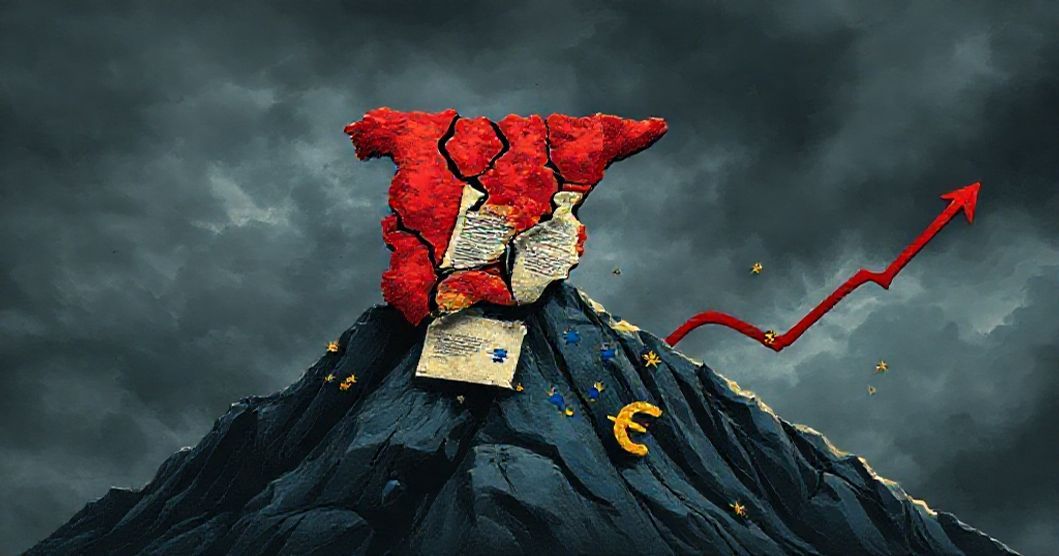
Spain is currently a vibrant stage of political debate, economic shifts, and social evolution, keeping citizens and international observers alike on the edge of their seats. The nation grapples with complex domestic issues while preparing for crucial European elections, all against a backdrop of evolving economic indicators. Here’s a deep dive into the most pressing current affairs shaping Spain’s future.
Amnesty Law Fuels Political Firestorm Across Spain
The highly contentious Amnesty Law remains at the absolute forefront of Spain’s political landscape. Recently, the bill successfully navigated critical parliamentary hurdles, marking a significant, albeit divisive, victory for the ruling Socialist Workers’ Party (PSOE) government. This legislation, designed to pardon individuals involved in the Catalan independence movement, has unleashed a torrent of debate, sparking both fervent support and fierce opposition.
Critics, primarily from the conservative Popular Party (PP) and Vox, argue that the law undermines the rule of law and the principle of equality before justice. They have mobilized extensively, leading to widespread protests and legal challenges. Conversely, the government and its pro-independence allies contend that the amnesty is a vital step towards de-escalation and reconciliation in Catalonia, aiming to resolve a decade-long political impasse. The passage of this law is not just a legislative act; it’s a profound political statement that will undoubtedly reshape coalition dynamics and regional relationships for years to come.
European Elections: Spain’s Stance on the Global Stage
As the European Union gears up for the upcoming elections, Spain finds itself at a pivotal moment, with its political parties intensely campaigning to secure influence within the European Parliament. These elections are more than just a domestic skirmish; they are a critical opportunity for Spain to assert its priorities on issues ranging from climate change and economic policy to migration and defense within the broader European framework.
Spanish parties are leveraging these elections to reinforce their national platforms, with conservative factions often emphasizing fiscal prudence and security, while progressive parties champion social justice, environmental protection, and a stronger, more integrated Europe. The outcomes will not only determine Spain’s representation in Brussels but also send a clear signal about the national mood and potential shifts in domestic political power ahead of future general elections.
Economic Resilience Amidst Inflationary Pressures
Economically, Spain continues to demonstrate a remarkable degree of resilience, yet it’s not without its challenges. Recent data points to a strong job market, with unemployment rates showing encouraging signs of decline. However, the shadow of inflation persists, directly impacting household purchasing power and consumer confidence. The government has implemented various measures to mitigate the effects of rising prices, including energy subsidies and food VAT reductions, but the cost of living remains a significant concern for many families.
Key economic indicators worth noting include:
- Job Creation: Steady growth in employment sectors, particularly in tourism and services.
- Inflation: While moderating, it continues to put pressure on household budgets.
- Economic Growth Forecasts: Analysts project continued, albeit modest, growth for the Spanish economy in the coming year, buoyed by EU funds and a recovering tourism sector.
The delicate balance between fostering growth and curbing inflation is a central challenge for policymakers, who are constantly navigating global economic uncertainties.
Social Dynamics: Housing and Public Discourse
Beyond the grand political and economic narratives, everyday social issues continue to shape the lives of Spanish citizens. The housing crisis, particularly the rising cost of rent and limited access to affordable housing, remains a pressing concern in major cities. Discussions around housing policies, tenant rights, and urban development are ongoing, with local and national governments seeking effective solutions.
Overall, Spain is a nation in dynamic flux, balancing the complexities of its internal political divisions with its role on the European and global stages. The next few months will be crucial in determining the direction of its legislative agenda, economic stability, and social cohesion.